Taiwanese Mandarin vs Mainland Mandarin: Vocabulary, Pronunciation and Characters
Compare Taiwanese and Mainland Mandarin with everyday vocabulary, audio examples, character differences and practical advice on choosing what to learn.
Clear, practical guides to Mandarin pronunciation, grammar, vocabulary, Chinese characters, culture and effective learning strategies.
Compare Taiwanese and Mainland Mandarin with everyday vocabulary, audio examples, character differences and practical advice on choosing what to learn.
A themed Mandarin vocabulary list for Halloween: Chinese words for candy, pumpkin pie and other seasonal foods, each with characters, pinyin, audio and example sentences, plus a look at how Halloween is celebrated in China.
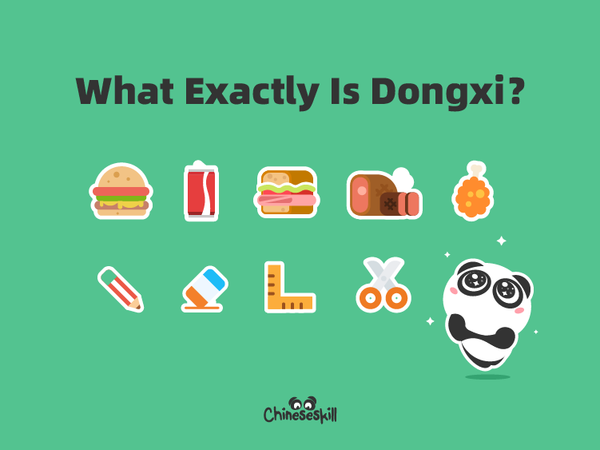
东西 (dōngxi) is the everyday Chinese word for 'thing'. This guide shows how to use it for objects, food, shopping and 'lots of things', explains why east + west came to mean 'thing', and warns when 东西 sounds insulting about people.
A Mandarin autumn vocabulary list organized into nouns, adjectives, verbs and everyday expressions, each with characters, pinyin and audio, plus a summary table for quick review.
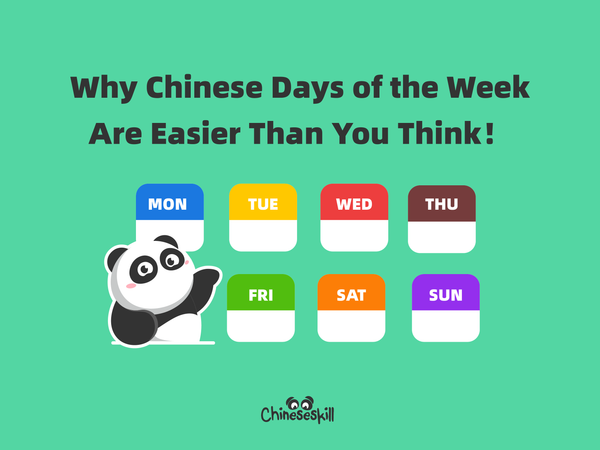
In Mandarin, Monday to Saturday are formed by 星期 plus the numbers one to six, so the week is quick to learn. This guide covers every day with pinyin and explains why Sunday is 星期天 or 星期日 rather than 星期七.
Ten practical Mandarin phrases for travellers in China, covering payment, directions, ordering and asking for help. Each phrase comes with characters, pinyin and audio, plus tips on how to practise before your trip.
A practical list of apps for travelling in China, grouped by need: communication (WeChat, REDnote), navigation and rides (Amap, DiDi), food and local services (Meituan, Dianping), payments (Alipay, WeChat Pay) and Chinese learning. Originally written for 2024 travel.
Black Myth: Wukong can support Chinese study through its Mandarin dialogue, character names and links to Journey to the West. This guide introduces key words such as 妖怪, the story behind the game and ways to combine gaming with structured lessons.
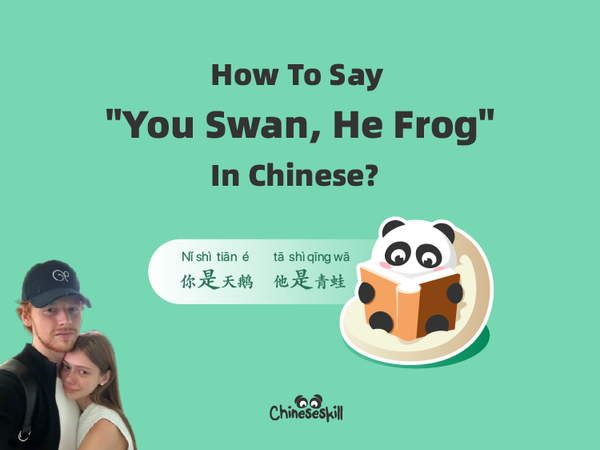
'You swan, he frog' is a 2024 internet meme rather than a standard expression. This article explains its meaning, gives the direct Chinese rendering 你是天鹅,他是青蛙, connects it to the idiom 癞蛤蟆想吃天鹅肉 and shows similar playful examples.
A Mandarin word list for winter sports and the Olympic Games, with characters and pinyin, plus background on the Beijing 2022 Winter Olympics, its competition zones and mascots. The event facts are historical; the vocabulary stays useful.
Mandarin uses four main tones plus a neutral tone, and some tones change in context. This guide explains how to pronounce each tone, the regular and irregular neutral tone, and tone sandhi rules for third tones, 一 (yī) and 不 (bù).
Chinese has no single word that replaces English 'no'. This guide explains 不, 不是, 不对, 不好, 不要, 不会, 不行, 没有 and related patterns with examples, then shows how polite refusals add explanation or softening.