Chinese Grammar
How to Say No in Chinese
Chinese has no single word that replaces English 'no'. This guide explains 不, 不是, 不对, 不好, 不要, 不会, 不行, 没有 and related patterns with examples, then shows how polite refusals add explanation or softening.
Practical guides to Mandarin pronunciation, grammar, vocabulary, Chinese characters, culture and effective learning strategies.
Chinese Grammar
Chinese has no single word that replaces English 'no'. This guide explains 不, 不是, 不对, 不好, 不要, 不会, 不行, 没有 and related patterns with examples, then shows how polite refusals add explanation or softening.
Learn Chinese
A detailed review of Duolingo's Chinese course: how lessons work, how it handles pinyin, tones, grammar and characters, why some learners struggle with it as a first course, how it lines up with the HSK and what to combine it with.
Chinese Grammar
吗 (ma), 呢 (ne) and 吧 (ba) all come at the end of a Chinese sentence but do different jobs: 吗 forms neutral yes–no questions, 呢 follows up on a topic, and 吧 asks for confirmation or makes a suggestion. Includes example sentences with pinyin.
Travel to China
A practical guide to ordering food in Mandarin: key menu words for cooking methods and flavours, useful phrases from getting a table to paying the bill, popular breakfast and regional dishes, and how to compliment the chef.
Chinese Grammar
Basic Chinese statements follow subject–verb–object order, but time and place expressions usually come before the verb, and Chinese is topic-prominent. This guide covers sentence components, word order in statements and questions, and topic–comment sentences.
日本語
中国語の一般的な「ありがとう」は谢谢(xièxie)ですが、相手との関係や場面、感謝の強さによって表現が変わります。フォーマル・カジュアルな言い方9つと、お礼を言われたときの返し方を例文とピンインで紹介します。
Learn Chinese
A guide to ten Chinese podcasts for learners, grouped into beginner, intermediate and advanced levels, with notes on how podcasts build Mandarin listening skills and how to choose a show at the right difficulty. Availability may have changed since publication.
Chinese Grammar
再 and 又 can both translate as 'again', but they are not interchangeable. 再 usually refers to a repetition that has not happened yet, while 又 refers to one that already happened. This guide covers their basic uses with example sentences.
Chinese Grammar
了 and 过 can both relate an action to the past, but 过 marks something as an experience while 了 marks completion or change. This guide compares their similarities, word order, use with time words, negation and questions such as 你吃过了吗.
Chinese Vocabulary
谢谢 (xièxie) is the standard way to say thank you in Chinese, but native speakers adjust their thanks to the relationship and situation. Learn 9 formal and casual expressions, when not to say thank you, and how to respond when someone thanks you.
Chinese Culture
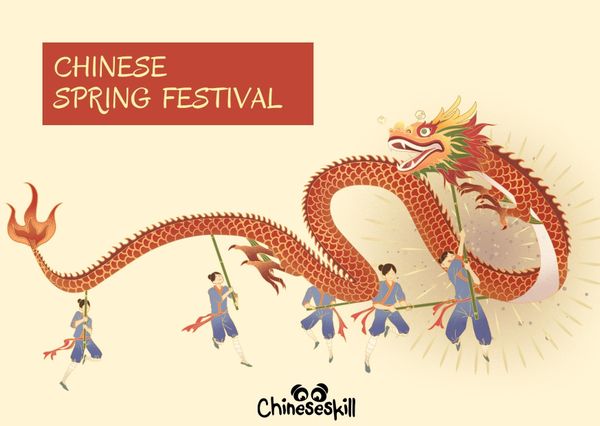
The Spring Festival (春节, Chinese New Year) follows the lunar calendar, so its date changes each year. This guide covers the zodiac, New Year greetings, traditional food and customs such as cleaning, shopping, family reunions, the CCTV Gala, firecrackers and red envelopes.
Chinese Vocabulary
Chinese numbers use a regular place-value system that makes counting easy once you know 1 to 10. This guide covers numbers up to 10,000 and beyond, hand gestures, dates, time, age and measure words, plus special rules for 两, 幺 and anti-fraud numerals.