Are Chinese people still superstitious about how the house should be cleaned?
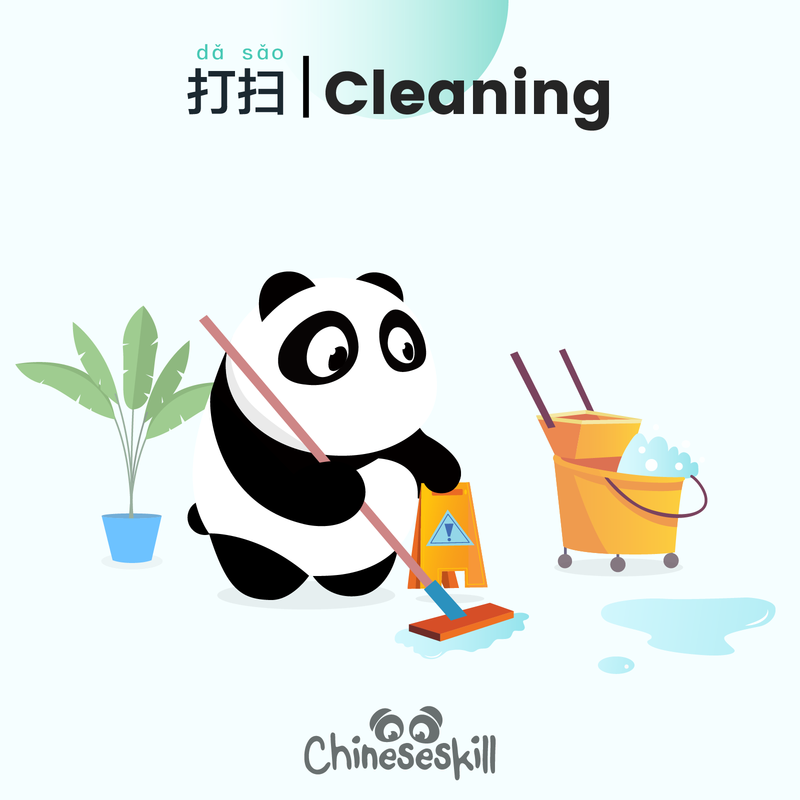
The Chinese traditionally believed that good luck comes through the front door. Before the Chinese New Year, there will be a huge clean-up around the house. To avoid “sweeping away good fortune”, people will sweep the floor from the entrance towards the inside until they reach the inner corners, piling the dirt up and then taking it out the back door. What’s more, you are also not supposed to do any more clean-up in the first two days of the New Year, because that would “drive the good fortune away”. In the urban cities nowadays, although hardly any families are so superstitious and meticulous about the direction in which you sweep the floor any more, a thorough clean-up before the New Year is definitely a must!
Editorial note: The original article generalizes from selected customs. Official local records show meaningful regional and historical variation, including places where old restrictions have weakened or disappeared.
Authoritative source: Shanghai municipal government: Spring Festival sweeping tradition; Suzhou Industrial Park archives: local New Year customs and changing restrictions. Accessed August 5, 2026.
中国人认为好运是从你家前面进来的。在新年之前,他们会彻底打扫卫生。为了避免把好运扫走,他们从外往内扫,把尘土堆成一堆再从后门清理出去,绝不走前门。而且,在新年的头两天不能打扫卫生,因为好运会被赶走。现代的城市里,虽然几乎没有几个家庭会有从前门扫到后门的说哈,但是在新年前大扫除是很重要的一件事!
Frequently Asked Questions
Why do families clean before Spring Festival?
The custom is associated with removing dust and the old year, preparing the home and welcoming renewal and good fortune.
Why do some traditions avoid sweeping on New Year's Day?
In some local traditions, sweeping outward or removing rubbish is symbolically associated with sending good fortune away.
Does every Chinese family follow the same cleaning rules?
No. Practices vary by region, household and generation, and some historical restrictions have weakened or disappeared.
Scope: These answers summarize this article. Language and cultural usage can vary by context, speaker, region and time.